
Changing the language on your iPhone seems straightforward until you realise it’s just the start of proper localisation testing. Most teams stop at toggling iOS language settings without checking how apps, videos, or eLearning content truly perform across regions. We’ll walk you through how to change language on iPhone step by step, then show why engineering-led localisation beats the usual outsourcing chain every time. Ready to rethink your approach? For step-by-step instructions, see Apple Support’s guide on changing language and region settings.
Changing iPhone Language Settings
Switching languages on your iPhone is just the start of true localisation. It’s not just about the device language, but ensuring your apps and content perform perfectly in any region. Let’s break it down.
Step-by-Step Guide for iOS
Changing your iPhone’s language is simple. Here’s how:
-
Open Settings on your iPhone.
-
Tap General.
-
Select Language & Region.
-
Tap iPhone Language to choose your preferred language.
-
Confirm your choice to apply changes.
Once you’ve changed the language, your device will restart. This process helps ensure that all system menus and apps display in your chosen language. But remember, this is just the first step.
Adjusting Region Settings
Language isn’t everything; regional settings matter too. They affect formats like dates and currencies. Here’s how to adjust them:
-
Return to Settings and select General again.
-
Tap Language & Region.
-
Choose Region and select the desired country.
These settings tailor your device to local standards. This is crucial for apps that rely on region-specific content. It’s more than just language; it’s about making your device feel locally tailored.
Testing Localisation Effectively
Once language and region are set, testing is key. Check how apps and media display in different languages. Do subtitles sync correctly? Are eLearning modules accessible? It’s not just a tech check; it’s ensuring a seamless user experience across languages and cultures.
The Importance of Proper Localisation
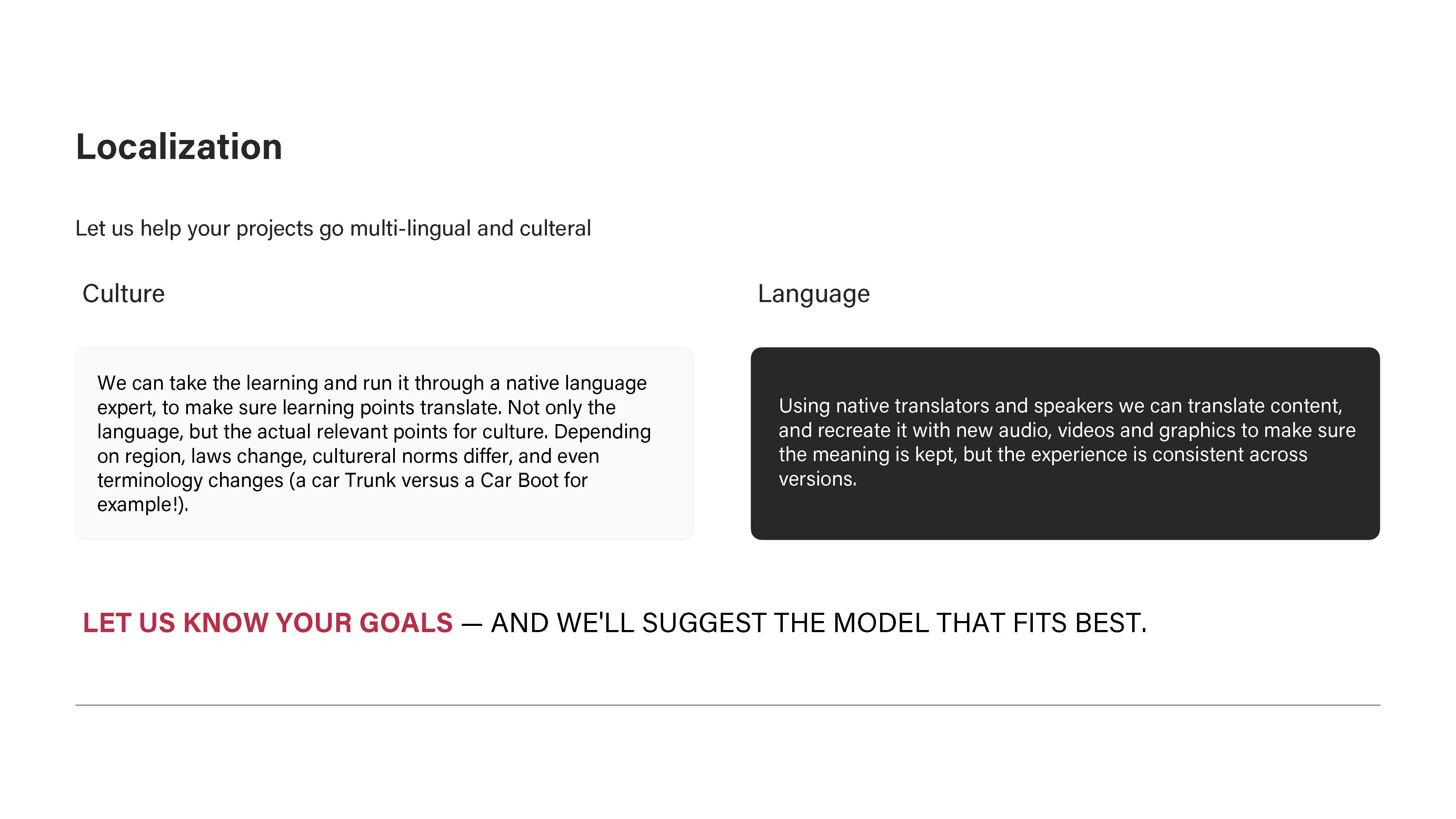
Language changes are just the tip of the iceberg. Proper localisation goes beyond basic changes, ensuring content suits cultural nuances and feels native. Let’s explore how to achieve this.
Beyond Basic Language Changes
Localisation isn’t just about translating text. It’s about adapting content to resonate with local audiences. Think of it as adjusting the lens through which users view your content. For example, imagine a promotional video. It’s not just the words that change, but the imagery, cultural references, and even music to suit local tastes.
Engineering-Led Approach to Localisation
Why rely on endless outsourcing chains when you can work directly with experts? Our engineering-led approach means no middlemen. With engineers running projects, you get direct communication and streamlined processes. This ensures quality and efficiency without the markup of outsourcing. For a deeper understanding, check our guide on video localisation.
Pitfalls of Outsourcing Chains
Outsourcing often leads to diluted quality. Each step in the chain adds room for error and increases costs. By keeping everything in-house, from translation to post-production, we maintain control and deliver superior results. This way, you get the best of both worlds: expertise and reliability without unnecessary layers.
Media Localisation Services
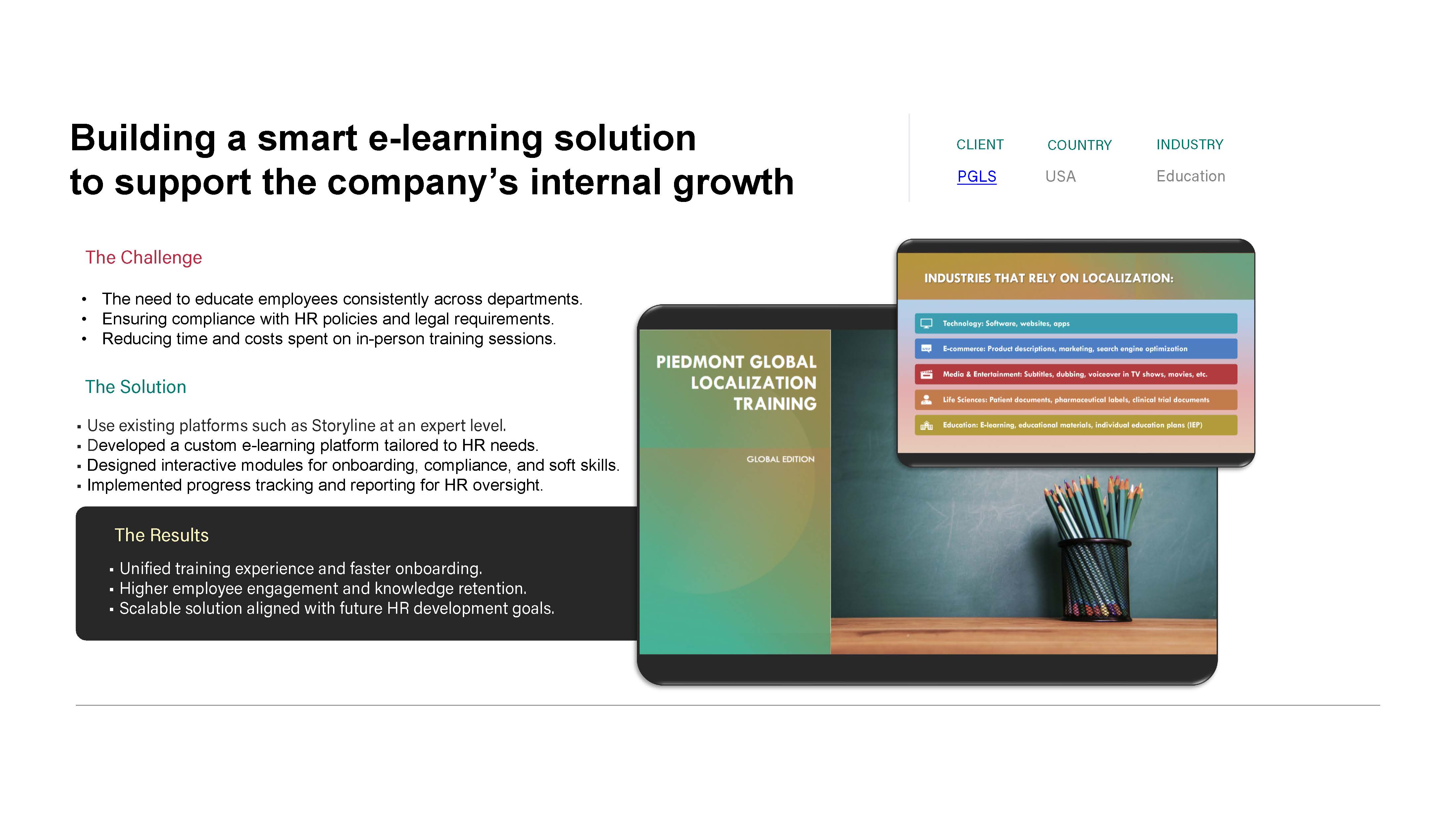
Media localisation is more than just translation. We offer a comprehensive range of services to ensure your content shines globally.
Comprehensive Offerings
From translation to full media production, we cover it all. Our services include:
-
Subtitling and Dubbing: Tailored to your needs, whether for films, TV, or eLearning.
-
Motion Graphics Localisation: Ensuring visuals match the translated content.
-
Audio Description: Making content accessible for all audiences.
Accessibility for Video and Audio
Creating accessible media is crucial. We ensure that video and audio content are inclusive:
-
Subtitles for hearing-impaired viewers.
-
Audio descriptions for visually impaired audiences.
-
Multilingual content to reach a global audience.
Our commitment to accessibility means your content reaches everyone, everywhere.
Partnering Directly with Engineers 🎬🌍📱
Why work with multiple vendors when you can partner directly with engineers? Our team of experts ensures every aspect of your project is handled with care and precision. This means you get top-quality localisation without the hassle of dealing with middlemen.
Frequently Asked Questions
Why can’t my iPhone switch languages smoothly?
Your iPhone might struggle with language switching if system updates are pending or if certain apps aren’t fully compatible with the new language. Ensure your iOS is up to date and check app settings.
What are regional settings, and why do they matter?
Regional settings adjust formats like date, time, and currency to match local standards. They’re important because they make your device’s content feel native and intuitive to its users.
How does engineering-led localisation improve quality?
By keeping everything in-house, we ensure consistent quality and direct communication. Our engineers manage projects, reducing errors common in outsourcing chains and delivering top-notch results.