
Forget everything you know about “dub.” It isn’t just slang tossed around casually or a simple sound term. When you’re deciding between dubbing, voiceover, or subtitles, the choice impacts your project’s success and reach. Let’s clear up the dub meaning slang and industry mix-ups, then show why working with an engineer-led, in-house localisation team beats outsourcing chains every time. [/goto?url=CAEScgHrOzAV0g5m4dP0H9_1TFJkrUg7Q27OeZG4maEv8DbzqHOR718iKoUYWepfqP1JbFW-oalSyjW4GJWMXtXMcdbzgjzQ39Zx6LbpYFALOqNSfcLEoU6VWdDxnlXzVddXJr5lk08WSv4IfCjUxBlRsHr_qQ]
Explore the differences in subtitling vs dubbing and make informed decisions for your media projects. Discover what dubbing really means and learn how to navigate the world of localisation with confidence. For a deeper understanding, read about being dubbed: the real meaning, how it’s executed, and how to achieve exceptional results in your own work.
Understanding “Dub” in Slang and Industry
Dub Meaning Slang Explained
“Dub” pops up in different ways depending on who you ask. For many, it’s a term used to describe someone who beats another, often in gaming circles. This slang carries a sense of victory, like winning a match or a competition. It’s also used to describe someone who might be a bit too boastful or overly confident, making it a versatile term in casual conversations.
But there’s more to it than just slang. In street culture, calling something a “dub” could mean it’s a double of something or simply a $20 bill. The meaning shifts with context, but what remains is its embrace in everyday language. Its versatility is part of its charm, making it a staple in various circles. Whether you’re in a gaming chat or discussing street lingo, “dub” has its place in modern vocabulary.
Dub Meaning UK and Beyond
In the UK, “dub” often associates with music, particularly reggae and dancehall. This genre is known for its innovative use of sound, with tracks often being remixed to highlight bass and drum patterns. It’s a cultural marker, representing a style that’s both unique and influential. Beyond the UK, “dub” in this context resonates globally, impacting various music genres and influencing artists worldwide.
The UK’s contribution to the “dub” scene not only includes music but extends to influential clubs and festivals that celebrate this sound. It’s more than just a beat; it’s a movement that captures the essence of creativity and innovation in music. As a result, “dub” has become synonymous with a vibrant musical culture that continues to thrive and evolve.
Dub Definition in Media Context
In media, “dub” refers to the process of adding a new soundtrack to a film or video. This is common when translating content into different languages, ensuring that viewers can experience the story in their native tongue. Dubbing requires precise timing and skill to match the original actors’ lip movements, creating a seamless viewing experience.
For producers, choosing dubbing means considering the audience’s language preferences and ensuring the translated performance maintains the original’s intent. It’s a crucial part of localisation, allowing content to reach wider audiences effectively. Dubbing can transform the perception of a film or show, making it accessible and enjoyable for diverse viewers around the world.
Choosing Between Dubbing, Voiceover, and Subtitles
Sub vs Dub: What to Consider
When deciding between subtitles and dubbing, it’s important to weigh your goals. Subtitles preserve the original audio, letting viewers hear the actors’ true voices. This can be a major draw for those who appreciate authenticity. Subtitles are also cost-effective, making them a popular choice for budget-conscious projects.
However, subtitles require viewers to read, which can detract from visually engaging content. Dubbing, on the other hand, replaces the original audio with a translated version, making it easier for viewers who prefer not to read. If your target audience values a seamless experience without reading, dubbing may be the better option. But it’s crucial to ensure the quality of the dubbing matches the original’s nuance and emotion.
Dubbing vs Voiceover: Key Differences
Dubbing and voiceover both involve adding audio to video, but they serve different purposes. Dubbing is more comprehensive, syncing voices precisely with lip movements. It’s ideal for films and shows where dialogue is key. This process can be more expensive because it requires careful matching of audio-visual elements.
Voiceover, however, doesn’t sync with lips and is more suited for documentaries or instructional videos. It allows the narrator to guide the audience through the content without the need for perfect lip matching. When choosing between these methods, consider your project’s nature and your audience’s preferences. If maintaining the original dialogue’s impact is crucial, dubbing is the way to go.
Voiceover Recording UK: Best Practices
Creating standout voiceovers involves several best practices. First, select professional talent who can convey the message effectively. The right voice can transform your content, making it resonate with your audience. Always ensure your recording environment is soundproof to prevent unwanted noise.
Scripts should be clear and concise, tailored to fit the content and audience. It’s crucial to direct talent to match the tone and style of the original material. Post-production is vital, refining the audio to ensure clarity and precision. Working with experienced engineers can elevate the quality, making sure the end result is polished and professional.
Benefits of Engineer-Led Localisation
No Outsourcing Localisation: Why it Matters
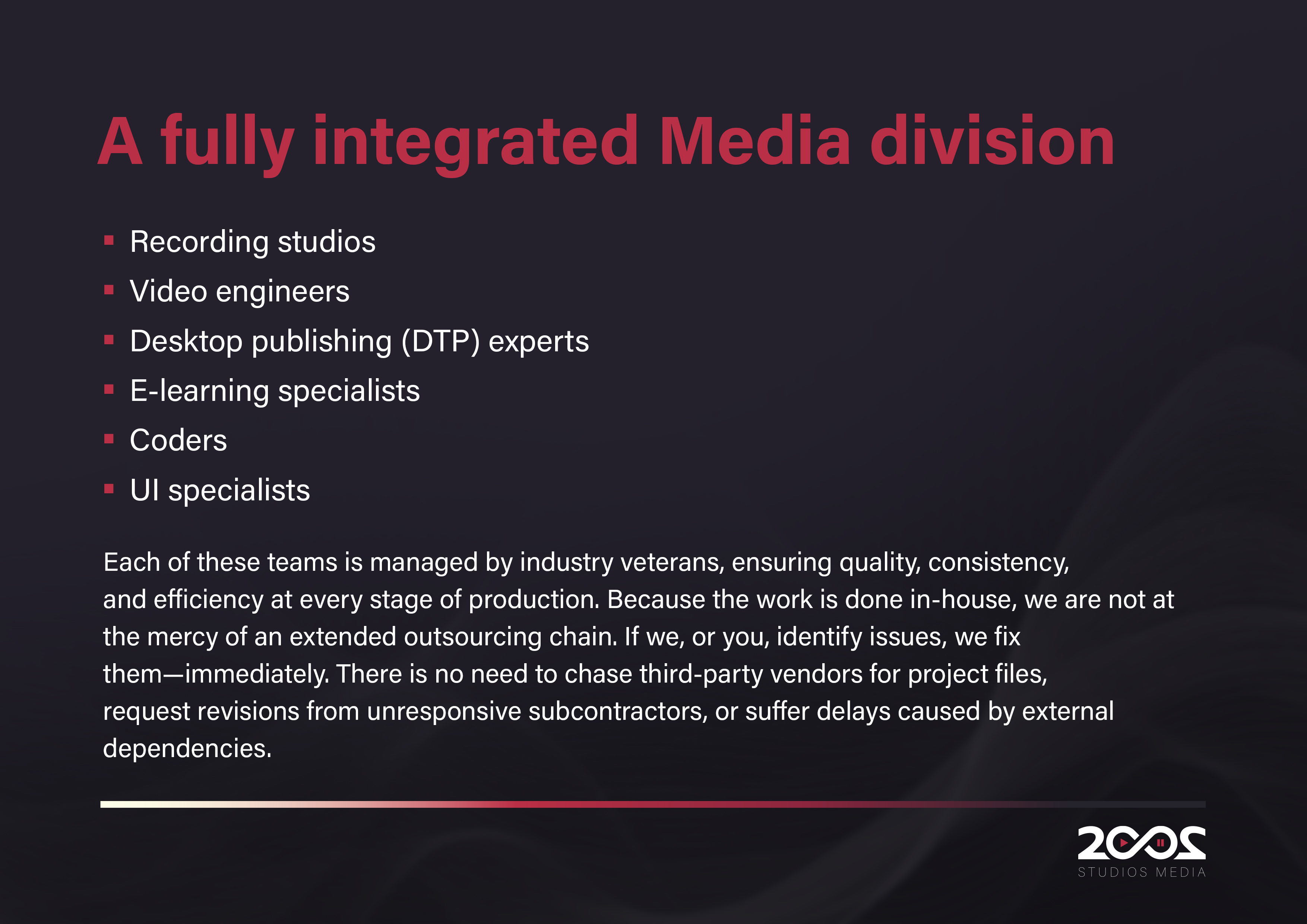
Choosing a partner who handles localisation in-house means retaining control and quality. Unlike outsourcing chains, where communication might lag or quality can drop, in-house teams ensure every step meets high standards. This approach allows for direct oversight, leading to faster turnarounds and consistent results.
For businesses seeking reliability, an engineer-led team offers transparency and expertise that’s hard to match. You know exactly who’s handling your project and can communicate directly with those responsible for the results. This ensures your content remains true to its original intent, while perfectly adapted for new markets.
Audio Post-Production London: Quality and Precision
In London, audio post-production is about quality and precision. Studios in this city are known for their world-class facilities and skilled professionals. The process involves mixing, editing, and mastering audio to enhance the overall production. This attention to detail ensures that every sound aligns with the project’s vision.
Working with experts in London means access to the latest technology and techniques. It allows your content to benefit from a level of craftsmanship that elevates its impact. Whether it’s for film, TV, or digital media, the right post-production can set your project apart in a competitive field.
Global Reach, Local Expertise: Our Commitment
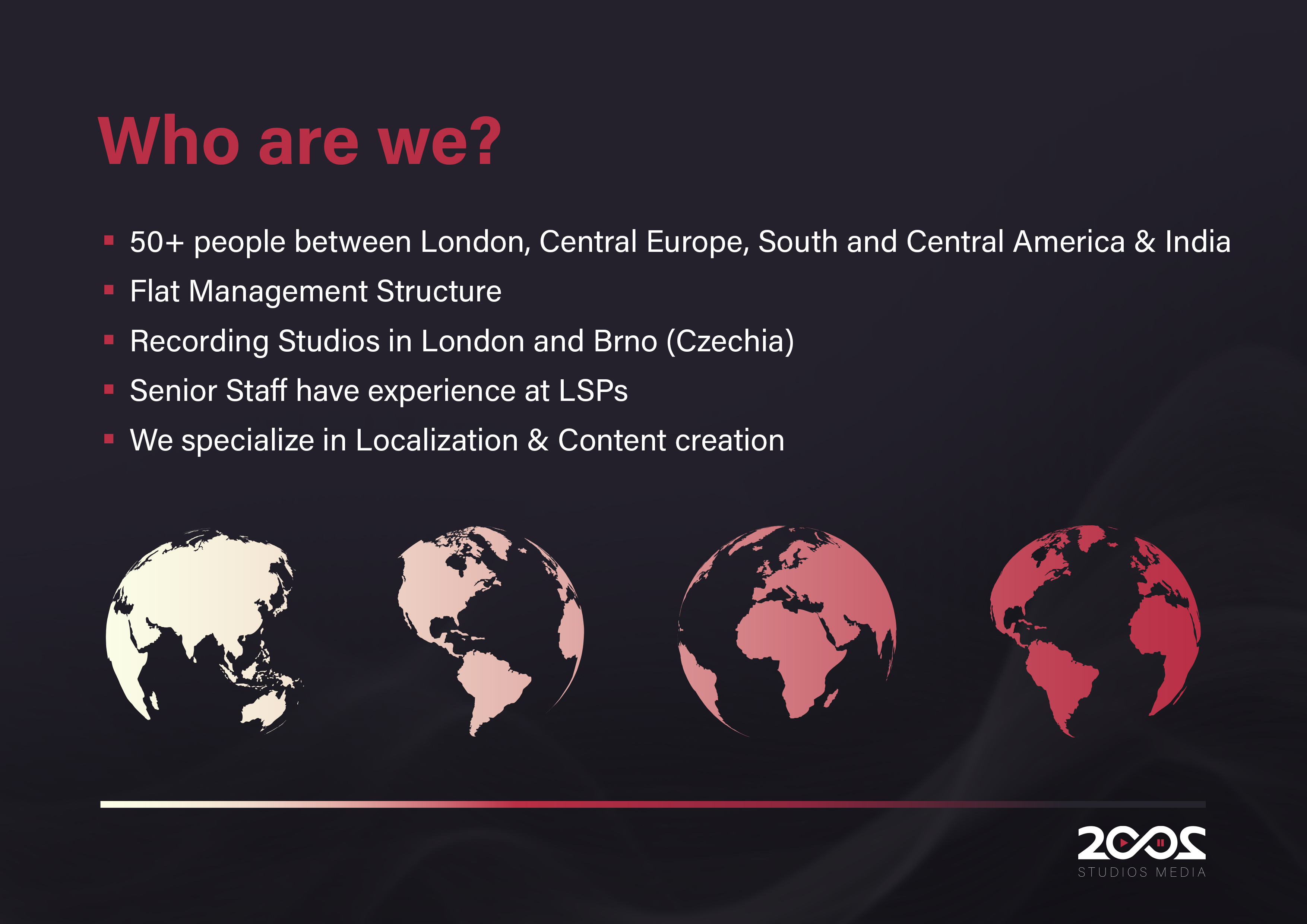
Our approach combines global reach with local expertise, ensuring your project resonates with audiences worldwide. We understand the nuances of different regions and tailor each project to meet those needs. This commitment to localisation means delivering content that speaks directly to diverse audiences, maintaining quality and cultural relevance.
Our engineer-led team excels in managing complex projects, ensuring accuracy and timeliness. We take pride in delivering top-notch results without the pitfalls of outsourcing. By partnering with us, you gain a reliable ally in navigating the complexities of global media production and localisation.
Frequently Asked Questions
What does “dub” mean in slang?
In slang, “dub” often means to win or achieve victory in a competitive situation. It’s used to describe someone or something that comes out on top, particularly in gaming or sports contexts.
How is dubbing different from subtitles?
Dubbing involves replacing the original audio with a translated version, syncing with lip movements. Subtitles, however, display translated text on screen while keeping the original audio, offering a different viewing experience.
Why choose in-house localisation over outsourcing?
In-house localisation offers better control, quality, and communication. You work directly with the team handling your project, ensuring consistent results and faster turnarounds compared to outsourcing chains.
What are best practices for voiceover recording in the UK?
For effective voiceovers, choose professional talent, ensure a soundproof recording environment, and use clear, concise scripts. Post-production is crucial to refine the audio, enhancing quality and clarity.
How does audio post-production in London enhance media projects?
Audio post-production in London provides access to top-tier facilities and expertise. It involves mixing, editing, and mastering audio to ensure precision and alignment with the project’s vision, ultimately elevating the content’s impact.