Forget the idea that dubbing is just swapping voices. When you’re managing lip-sync dubbing, voice-over, or Automated Dialogue Replacement, every step matters—from script adaptation to casting to mixing and mastering. Yet, many still rely on multi-layer outsourcing that adds delays and risks quality. There’s a smarter way: engineer-led localisation that delivers on time, on budget, and with global reach. Let’s explore what dubbing truly involves and why your next project deserves better.
To delve deeper into the nuances of dubbing and how it differs from other localisation methods, check out our comprehensive guide on Subtitling vs Dubbing: Pick the Right Track Without Losing the Plot. For insights into the full scope of dubbing techniques, our article on What Dubbing Really Means: From Lip‑sync to Launch is a must-read. If you’re curious about the real mechanics of dubbing and how to achieve the best results, explore Dubbed: the real meaning, how it’s done, and how to get it right.
🎬🌍🎙️
Understanding Dubbing
When it comes to creating content that resonates across borders, dubbing plays a crucial role. Let’s break down what dubbing truly entails and the unique approaches involved.
What is Dubbing?
Dubbing is more than just replacing the original audio with a new voice track. It’s about crafting a seamless audio experience that matches the on-screen action, ensuring that dialogue feels natural and convincing. This involves not only translating the script but also adapting it to fit the cultural context of the target audience.
In media localisation, dubbing serves as a bridge that connects diverse audiences to the content they love. By maintaining the essence of the original while making it accessible in another language, dubbing can significantly enhance viewer engagement.
Lip-sync, Voice-over, and More
Lip-sync dubbing ensures that the new dialogue aligns perfectly with the actor’s lip movements, creating a visually cohesive experience. This technique is commonly used in films and TV shows to maintain the integrity of the visual storytelling.
Voice-over, on the other hand, involves overlaying a new voice track without the need for precise lip movement synchronisation. Often used in documentaries and instructional videos, this method prioritises clarity and comprehension over visual matching.
Each of these approaches has its place, and choosing the right one depends on the type of content and audience expectations. Whether it’s lip-sync dubbing for a dramatic film or voice-over for an educational video, the goal remains the same: authentic and engaging communication.
Key Differences in Dubbing Techniques
While lip-sync and voice-over are popular methods, Automated Dialogue Replacement (ADR) offers another layer of complexity. ADR involves rerecording dialogue in a controlled environment, often used to improve audio quality or alter lines during post-production.
The choice between these techniques often boils down to the specific needs of the project. Lip-sync is ideal for dramas where emotional nuance is key, while voice-over suits factual content where information delivery takes precedence.
Understanding these differences can help you make informed decisions about which technique best aligns with your project’s goals, ensuring that your audience receives the intended message without distractions.
The Dubbing Workflow
Achieving a high-quality dub requires a structured workflow. Each step, from translation to post-production, plays a vital role in delivering a polished final product.
Script Translation and Adaptation
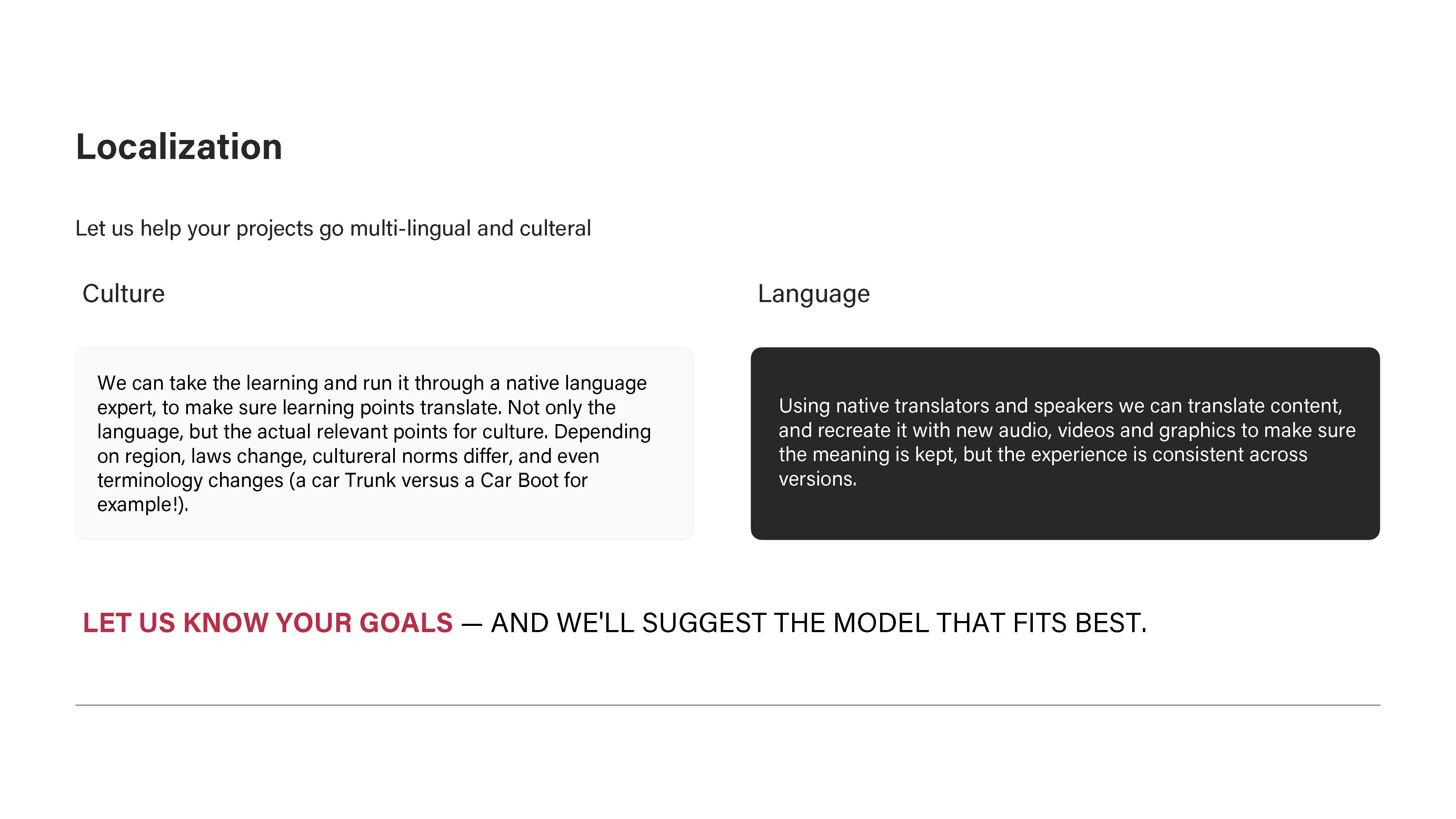
The process begins with translating and adapting the script, ensuring that it not only conveys the original meaning but also resonates with the target audience. This involves more than a simple word-for-word translation; it requires cultural sensitivity and creativity.
Adapting the script might involve altering jokes, idioms, or cultural references to make them relatable. This step is crucial in maintaining the integrity of the original content while making it accessible to new viewers.
Casting and Direction for Dubbing
Once the script is ready, the next step is casting native voice talent who can bring the characters to life. The right voice actor can make all the difference, providing the emotional depth and nuance needed to match the on-screen performance.
Direction is equally important, ensuring that the voice actors understand the context and deliver lines that feel authentic. This collaborative effort between directors and actors is key to achieving a cohesive and compelling dub.
Audio Post-Production Essentials
After recording, the focus shifts to audio post-production, where mixing and mastering ensure that the dialogue blends seamlessly with the original soundtrack. This stage involves adjusting levels, adding effects, and addressing any inconsistencies.
Quality control (QC) checks are essential here, ensuring that the final product meets the highest standards. This meticulous attention to detail ensures that the audience experiences a flawless and immersive audio experience.
Risks of Multi-layer Outsourcing

Choosing the right partner for dubbing can mean the difference between success and a subpar final product. Let’s explore why relying on multi-layer outsourcing might introduce unwanted risks.
Pitfalls of Outsourcing Chains
Outsourcing dubbing projects to multiple layers of vendors can lead to significant challenges. Each handoff introduces the risk of miscommunication, delays, and quality inconsistencies. When different vendors handle script adaptation, casting, and post-production, the lack of cohesion can result in a disjointed final product.
Moreover, the further removed you are from the actual production process, the harder it is to ensure that the end result aligns with your vision and expectations. These pitfalls can not only affect the quality but also inflate costs and timelines.
Benefits of an Engineer-led Approach
An engineer-led approach offers a more integrated and efficient solution. By keeping all aspects of dubbing under one roof, from translation to post-production, you maintain better control over quality and timelines.
This approach ensures that every step is handled by skilled professionals who understand the nuances of the project. It also facilitates direct communication, enabling quick adjustments and reducing the likelihood of costly errors.
Why Choose 2002 Studios Media Ltd? 🎬
At 2002 Studios Media Ltd, we pride ourselves on being a one-stop localisation partner. Our team of experienced engineers manages each project with precision, ensuring that your content is localised with care and expertise.
We understand the importance of delivering on time and on budget. Our comprehensive in-house services mean no outsourcing of key processes, allowing us to maintain the highest quality standards. Whether you need lip-sync dubbing, voice-over, or ADR, we have the skills and resources to bring your project to life.
Frequently Asked Questions
What is dubbing in media localisation?
Dubbing in media localisation involves replacing the original audio track with a new one in a different language. It aims to make content accessible to international audiences while maintaining the original’s emotional and narrative integrity.
How does lip-sync dubbing differ from voice-over?
Lip-sync dubbing matches the dialogue with the actors’ lip movements on screen, creating a seamless visual experience. Voice-over, however, overlays the new audio without the need for precise visual synchronisation, often used in documentaries or educational videos.
Why should I avoid multi-layer outsourcing for dubbing?
Multi-layer outsourcing can lead to communication breakdowns, quality issues, and delays. An engineer-led approach keeps all processes in-house, ensuring consistent quality and efficient project management.
What are the benefits of using 2002 Studios Media Ltd for dubbing?
2002 Studios Media Ltd offers comprehensive in-house localisation services, ensuring high-quality results and efficient timelines. Our expert team handles every aspect of dubbing, from script adaptation to post-production, with precision and care.
What steps are involved in the dubbing workflow?
The dubbing workflow includes script translation and adaptation, casting and direction, and audio post-production. Each step is crucial to delivering a polished final product that resonates with the target audience.