Forget everything you think you know about dubbing. It’s not just about swapping voices or adding subtitles; the meaning of dubbing in film runs much deeper. You’ll learn why choosing an engineer-led, in-house studio over a tangled outsourcing chain delivers sharper sync, stronger performances, and faster turnarounds that actually stick to your schedule. Ready to challenge the way you handle localisation? Let’s get started.
Understanding Dubbing in Practice
Dubbing isn’t just a technical process; it’s an art form that enhances storytelling. Let’s explore how it shapes the final product and affects your viewing experience.
Dubbing Definition and Importance
Dubbing replaces the original voice track in a film or video with another language, allowing audiences worldwide to enjoy the content. This technique is vital in making media accessible to diverse audiences, breaking language barriers. Imagine watching your favourite film without understanding a word; dubbing changes that, making content more relatable.
ADR vs Dubbing: Key Differences
ADR (Automated Dialogue Replacement) repairs or enhances audio quality by re-recording dialogue. It polishes audio, ensuring clarity. In contrast, dubbing translates content for different languages. It’s about reaching global audiences, not just fixing audio. While both involve re-recording, ADR maintains original language; dubbing bridges languages.
Voiceover vs Dubbing: An Overview
Voiceover and dubbing may seem similar, but they’re distinct. Voiceover overlays a voice on existing content, often in documentaries or educational videos. It keeps the original audio intact. Dubbing, however, replaces the original soundtrack, creating a seamless experience as if filmed in the new language. Learn more about subtitling vs dubbing and make informed decisions for your projects.
The Dubbing Workflow Unveiled
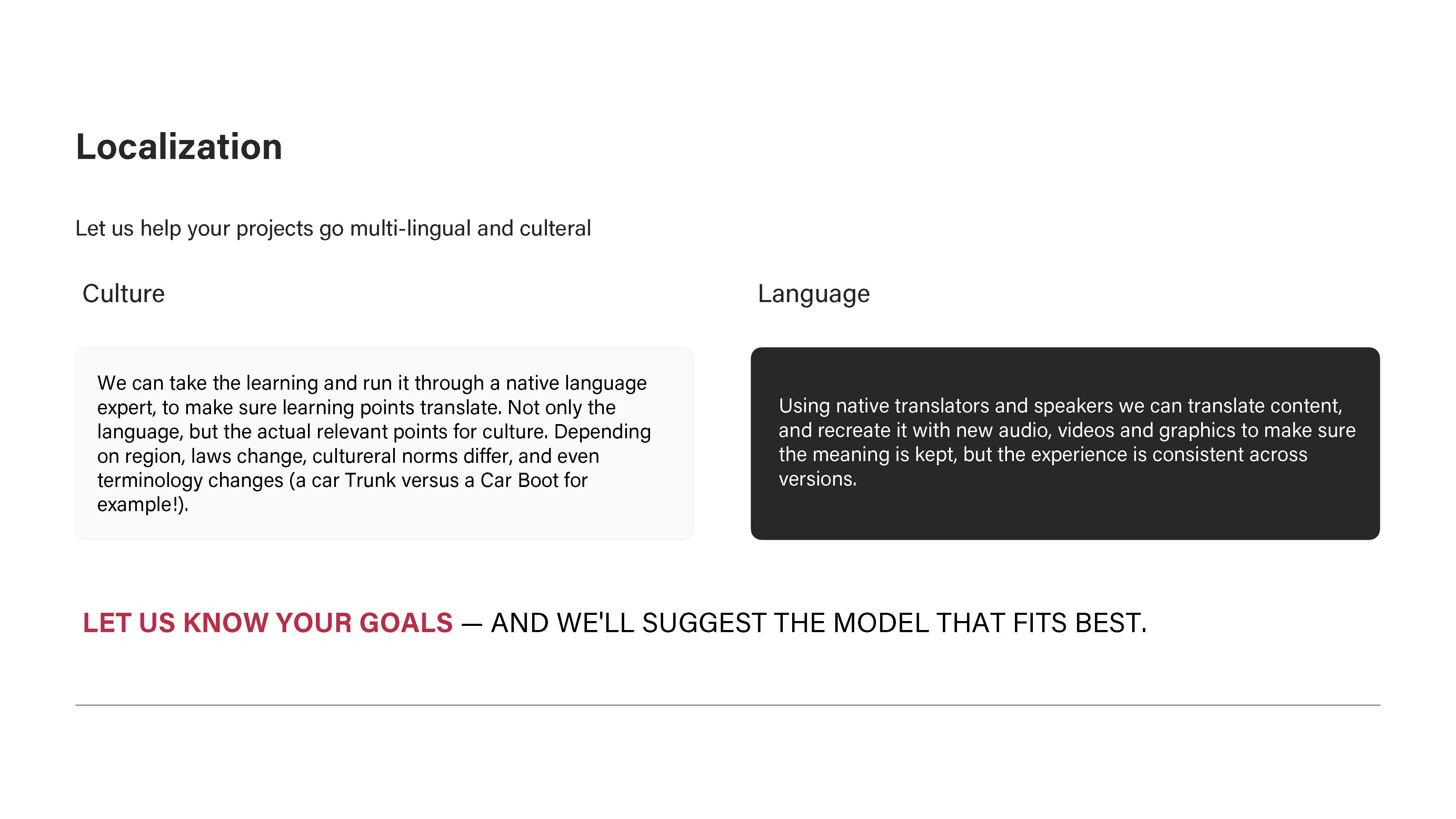
The process of dubbing goes beyond recording voices. Here’s how various elements come together to create a coherent product.
Lip Sync Dubbing and Time Sync Dubbing
Lip sync dubbing ensures the new dialogue matches the lip movements of actors, creating a natural feel. Time sync dubbing focuses on timing, aligning dialogue with the original scene’s rhythm. Both require skill and technology to maintain the illusion of authenticity, enhancing viewer immersion.
The Role of M&E Tracks in Dubbing
M&E (Music and Effects) tracks are crucial in dubbing, providing a base for new audio. They exclude dialogue, allowing clear integration of new voices. M&E tracks maintain the sound design’s integrity, ensuring the dubbed version retains the original’s emotional impact and aesthetic.
Mixing, Mastering, and Quality Control
The final steps in dubbing involve mixing and mastering to balance audio elements. Quality control checks ensure audio quality and sync accuracy. This meticulous process guarantees that the dubbed version meets high standards, delivering a polished and professional product.
The Case for In-House Dubbing
Choosing an in-house dubbing solution can significantly affect the outcome of your project. Here’s why it’s a wise choice.
Risks of Multi-Vendor Outsourcing
Outsourcing can lead to inconsistencies and lack of control over quality. Relying on multiple vendors increases the risk of miscommunication and delays. In-house dubbing minimizes these risks by maintaining direct oversight, ensuring uniformity across all stages.
Advantages of Engineer-Led Approaches
An engineer-led process prioritizes technical precision and artistic quality. Experienced engineers manage every step, from initial recording to final mixing. This approach guarantees high-quality results, as engineers can quickly address issues and implement creative solutions without outsourcing delays.
Global Reach and Local Expertise in Dubbing
Having a global team with local expertise ensures culturally relevant dubbing. This blend allows accurate translations that respect cultural nuances. An in-house team offers flexibility and understanding of regional dialects, ensuring the dubbing resonates with diverse audiences.
Frequently Asked Questions
What is dubbing in film?
Dubbing is the process of replacing the original voice track in a film with another language, allowing viewers from different regions to understand and enjoy the content without language barriers.
How does dubbing differ from ADR?
While both involve re-recording audio, ADR is used for fixing or enhancing original dialogue within the same language. Dubbing translates and replaces the entire dialogue track to cater to a different language audience.
Why choose in-house dubbing over outsourcing?
In-house dubbing offers greater control over quality and consistency, reducing the risks associated with miscommunication and delays common in multi-vendor outsourcing scenarios.