Subtitling vs dubbing isn’t just a choice—it shapes how your audience feels, understands, and connects. You might be juggling budgets, brand voice, and accessibility, yet still outsourcing through endless layers, losing control and quality. Let’s challenge that routine and show you how an engineer-led localisation model from a UK localisation company can deliver sharp accuracy, speed, and consistency for your multilingual content. Stick around: your next global release deserves nothing less. Read more about subtitling vs dubbing.
Understanding Subtitling vs Dubbing
Choosing between subtitling and dubbing can greatly affect how your content resonates with your audience. Each option comes with distinct impacts on market reach, costs, and accessibility. Let’s break down these factors so you can make an informed decision.
Audience and Market Considerations
When deciding on subtitles or dubbing, understanding your audience is crucial. Subtitles are often preferred in regions with high literacy rates and where viewers enjoy hearing original voices. They allow you to retain the authenticity of the performance, which many purists appreciate. Dubbing, on the other hand, suits audiences who prefer a more immersive experience without reading. It can be more engaging for children or markets where reading subtitles might distract from the visual storytelling. Knowing your audience’s preferences helps you choose the right path.
Deciding which method suits your market can depend on cultural norms. In some countries, like Germany and Spain, dubbing is common and expected. In contrast, Scandinavian countries often favour subtitles. Aligning with local preferences can enhance acceptance and engagement with your content. Consider these cultural nuances when expanding your global reach. For further insights, check the pros and cons of dubbing and subtitling.
Budget and Brand Voice Impact
Budget constraints often steer the decision between subtitling and dubbing. Subtitles are typically more cost-effective as they require less production work compared to dubbing, which involves hiring voice actors and synchronising audio. This can be a significant factor if you’re working with tighter budgets. However, investing in dubbing might be worthwhile if you’re looking to fully adapt to the target market’s viewing habits.
Your brand voice is another critical factor. Subtitles preserve the original actor’s tone and expression, which could be essential for projects where the delivery is integral to the character’s persona. Dubbing, however, allows for tailored voice-overs that can be adjusted to fit the local idiom, ensuring your messaging resonates more naturally in the target language. It’s about balancing cost with how you want your brand to sound internationally.
Accessibility and Inclusion Benefits
Accessibility for video content enhances your reach and inclusivity. Subtitling offers advantages in this area by providing SDH subtitles for the deaf and hard of hearing, ensuring that everyone can enjoy your content without barriers. This approach is essential for meeting accessibility standards and enhancing viewer experience.
Dubbing can also serve accessibility needs, particularly for audiences with visual impairments. Adding audio descriptions ensures content is accessible to all, offering a fuller experience by describing visual elements in the narrative. Both methods play a role in making content inclusive, and choosing the right one enhances your brand’s reputation for accessibility. For more information, consider this dubbing vs subtitles discussion.
Engineer-Led Localisation Model
Moving away from traditional outsourcing methods can bring significant benefits. An engineer-led localisation model ensures efficiency and quality control that is hard to match with layered outsourcing. Let’s explore why this approach is superior.
Advantages of In-House Production
Having in-house teams means complete control over the production process, ensuring quality at every step. When senior engineers handle projects, you gain access to their expertise in translation, script preparation, and audio post-production. This approach eliminates the middleman, reducing errors and improving turnaround times. You get consistent results because the entire process is under one roof.
Moreover, this model allows for better communication. When your project isn’t passed through multiple layers, you avoid miscommunication, leading to a smoother workflow and quicker resolutions to any issues that might arise. This direct line to the experts handling your project is invaluable and a significant advantage over traditional methods.
Challenges of Layered Outsourcing
Outsourcing often results in multiple layers between you and the final product. Each layer introduces potential for miscommunication and quality drift. By the time the content is delivered, it may not meet the initial expectations set out in the brief. This can lead to costly revisions, negating any perceived savings from outsourcing.
Additionally, outsourcing chains can lead to hidden costs. What initially appears as a cost-effective solution can escalate in price due to unexpected issues and last-minute changes. By keeping production in-house, you maintain transparency and control over your budget, reducing these risks.
Global Reach with Local Expertise
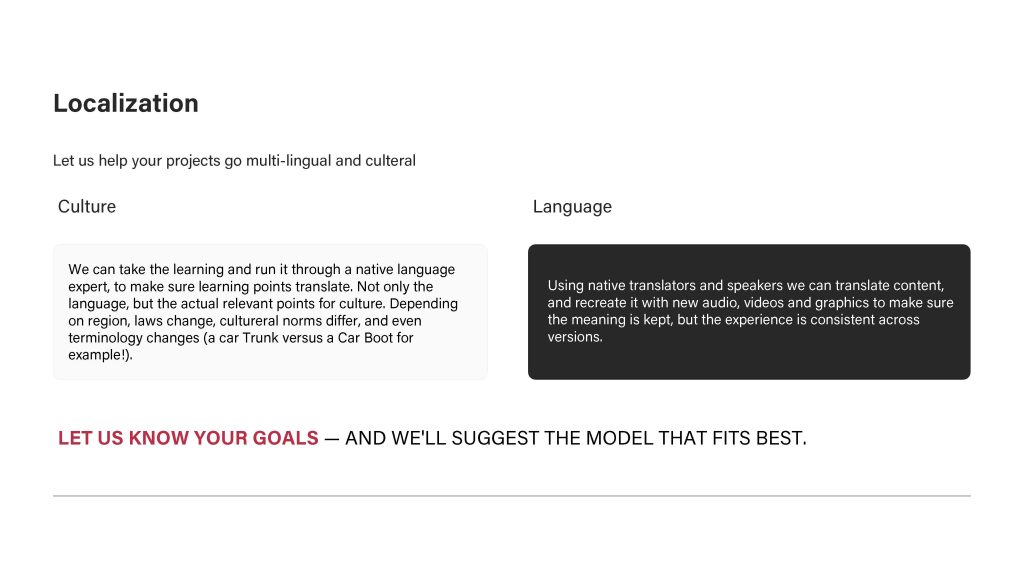
A UK localisation company like 2002 Studios offers the perfect blend of global reach and local expertise. Operating across continents, we understand the nuances of local markets, ensuring your content resonates with diverse audiences. Our engineer-led approach guarantees that your message isn’t lost in translation, adapting to cultural contexts while maintaining the original intent.
We pride ourselves on being a one-stop localisation service. Whether it’s subtitling, dubbing, or creating motion graphics, our team ensures your project is handled with care from start to finish. With a focus on delivering projects on time and on budget, we become a trusted partner in your global expansion efforts.
Services Offered by 2002 Studios
Beyond just choosing between subtitling and dubbing, the services you opt for can enhance your content’s impact. Here’s a glimpse of what 2002 Studios provides to elevate your localisation efforts.
Comprehensive Voice-Over Services
Voice-over services are pivotal to engaging audiences in their native language. We offer both human and AI voice options, catering to projects of varying scopes and budgets. Whether you need lip-sync dubbing or narration, our voice-over services ensure your content feels authentic and relatable to local audiences.
Our extensive network of voice talent spans numerous languages, allowing us to provide the right voice for any project. This diversity ensures that your content isn’t just translated, but truly adapted to align with cultural expectations and preferences.
Motion Graphics and Audio Post-Production
Motion graphics localisation is crucial for synchronising visuals with your translated content. Our skilled animators and engineers work to ensure that your graphics and visuals are as effective in the target language as they are in the original. By doing this in-house, we maintain consistency and quality across every aspect of your project.
Our audio post-production services guarantee that sound elements, from music to dialogue, are perfectly mixed and matched to your visuals. Combining technical expertise with creative flair, we ensure your content sounds as good as it looks, enhancing the viewer’s overall experience.
Accessibility and Elearning Localisation
Making your content accessible is not just a trend; it’s a necessity. We provide SDH subtitles and audio description services to ensure everyone can enjoy your content. Our commitment to accessibility extends to elearning localisation, adapting educational materials for a global audience. Whether you’re training staff or educating customers, we tailor your elearning content to engage and inform effectively.
With our comprehensive services, you can be confident that your content is inclusive, reaching the widest possible audience and meeting all accessibility standards.
Frequently Asked Questions
What are the benefits of subtitling over dubbing?
Subtitling allows viewers to hear the original language, preserving the performance’s nuances. It is often more cost-effective and faster to produce than dubbing. Subtitling is also a great option for markets where audiences prefer reading over listening to translations.
How does dubbing enhance viewer engagement?
Dubbing provides a seamless, immersive experience, as viewers do not need to read subtitles. This can be particularly engaging for younger audiences or in markets where dubbing is the norm. It allows for tailored voice-overs that fit local language and cultural nuances.
Why choose an in-house production model?
An in-house production model offers complete control over the localisation process, ensuring quality and consistency. It eliminates the risks associated with outsourced layers, such as miscommunication and hidden costs. This approach also enhances communication, allowing for quicker resolutions and better outcomes.
What makes 2002 Studios different from other localisation companies?
2002 Studios offers comprehensive, in-house services across all localisation aspects, from translation to post-production. We operate globally with local expertise, ensuring cultural nuances are respected. Our engineer-led model provides reliability, transparency, and high-quality deliverables.
How do you ensure content accessibility?
We provide SDH subtitles and audio descriptions, making content accessible to audiences with hearing or visual impairments. Our elearning localisation adapts educational content for global audiences, ensuring effective engagement and understanding.