Most video localisation projects look simple on the surface, yet the hidden layers can trip up even seasoned producers. When your content crosses borders, every step—scripting, dubbing, subtitling, motion graphics, and accessibility—demands precision and care. Outsourcing chunks of work to multiple vendors might sound like a shortcut, but it often leads to delays, cost overruns, and quality slip-ups. You’ll find smarter, faster, and more reliable results when engineers lead the process from start to finish, keeping everything in-house and under control. Ready to see how video localisation really works? Learn more about video localisation here.
Understanding Video Localisation
Video localisation isn’t just a series of technical steps; it’s about transforming content so it resonates with audiences worldwide. This process covers everything from scripting to screen, ensuring each element speaks the language of its audience.
From Script to Screen
Video localisation begins with the script. Tailoring it requires understanding cultural nuances. A simple translation won’t do; your script must connect with local customs and slang. Once the script is ready, it’s time to bring it to life. Subtitles and captions are part of this, but they aren’t the whole picture. Audio components, like dubbing or voice-overs, complete the narrative, making content feel native to viewers everywhere. This seamless transition from script to screen ensures your message isn’t just heard but understood.
Risks of Multi-Tier Outsourcing
Opting for multiple vendors might seem cost-effective, but it often leads to chaos. Each vendor has its way of working, which can lead to miscommunication. Deadlines slip as different teams struggle to sync their efforts. Quality checks become nightmares as no single entity takes responsibility. The result? A disjointed product that misses the mark. By centralising processes, you ensure consistency and control, reducing these risks.
The Engineer-Led Advantage
Choosing an engineer-led approach means prioritising precision. Engineers oversee every detail, from translation to audio alignment, ensuring nothing is overlooked. This reduces errors and enhances quality. With engineers at the helm, you benefit from a streamlined workflow that keeps projects on time and within budget. This approach is a game-changer, offering reliability that piecemeal outsourcing can’t match.
Comprehensive Localisation Workflow
A strong localisation workflow covers every step meticulously. From initial translation to final delivery, each phase builds on the last, ensuring a coherent end product.
Script and Translation Essentials
The foundation of localisation lies in translation. But it’s more than just words; it’s about capturing the essence of your content. Translators work closely with writers to adapt scripts, ensuring they hit the right tone and style. This collaboration brings cultural relevance and authenticity to your videos, making them relatable to diverse audiences.
Voice Over and Dubbing Insights
Voice work is crucial. Whether through dubbing or voice-overs, choosing the right voice talent shapes how your message is perceived. The voice must fit the context, whether it’s a serious documentary or a lighthearted ad. Additionally, syncing audio with visual elements requires precision. Engineers ensure voices match on-screen actions, enhancing immersion and engagement.
Motion Graphics and Accessibility
Graphics play a vital role in supporting your message. Localising these elements means adapting text and visuals to suit different regions. Accessibility features like audio descriptions and SDH subtitles also come into play. They ensure your content reaches everyone, including those with hearing or visual impairments, broadening your audience base.
Benefits of In-House Localisation
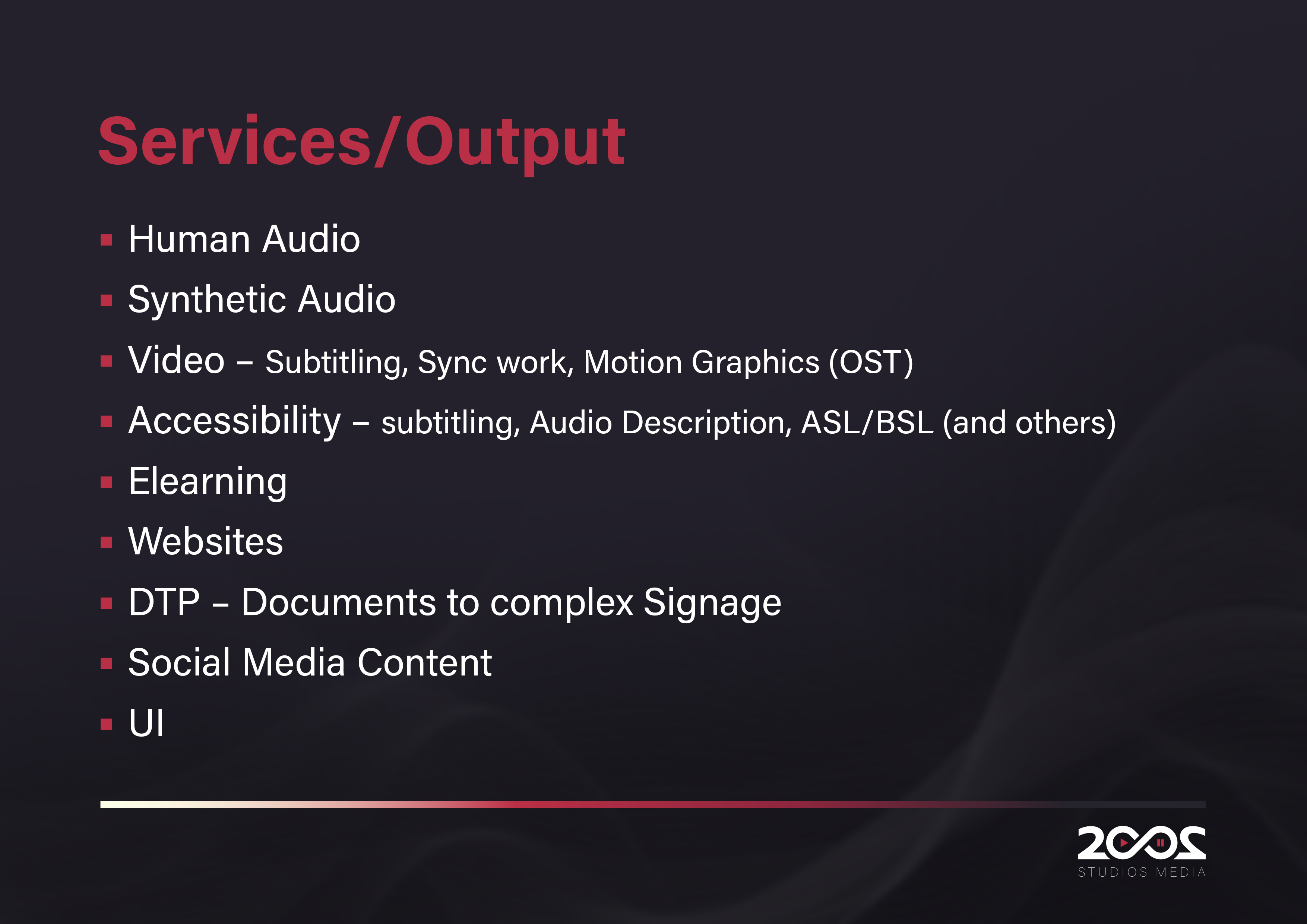
Handling localisation in-house provides distinct advantages, from maintaining high standards to ensuring timely delivery.
Maintaining Quality and Timelines
In-house projects maintain quality because every aspect is under one roof. Engineers control the workflow, conducting rigorous checks at each stage. This oversight prevents errors and maintains consistency. Additionally, having everything in one place streamlines communication, which keeps projects on track, so deadlines are met without compromising quality.
Cost-Effective and Reliable Solutions
In-house localisation can be more cost-effective. Without the need to juggle multiple vendors, you save time and money. Budget overruns become less likely, and costs are easier to predict. This reliability in pricing and delivery builds trust and ensures you get the best value for your investment.
Global Reach with Local Expertise
Having a diverse team means you benefit from local insights. With experts across the globe, your content is crafted to resonate in different regions. This global reach combined with local expertise ensures your message is both universal and personal, making your video truly impactful.
Frequently Asked Questions
What is video localisation?
Video localisation involves adapting video content for different languages and cultures. It includes translating scripts, dubbing, subtitling, and adjusting graphics to suit local audiences.
Why is in-house localisation better?
In-house localisation offers better quality control and communication. It ensures consistency across projects and often results in cost savings and timely delivery.
How do voice-overs fit into localisation?
Voice-overs replace the original audio with local language dialogue. This helps make the video more relatable and understandable to the target audience.
What role do engineers play in localisation?
Engineers oversee the entire localisation process, ensuring precision and consistency. Their involvement helps streamline the workflow, reducing errors and improving quality.
Why avoid multi-tier outsourcing?
Multi-tier outsourcing can lead to miscommunication and inconsistent quality. It often results in delays and higher costs due to the lack of a centralised process.